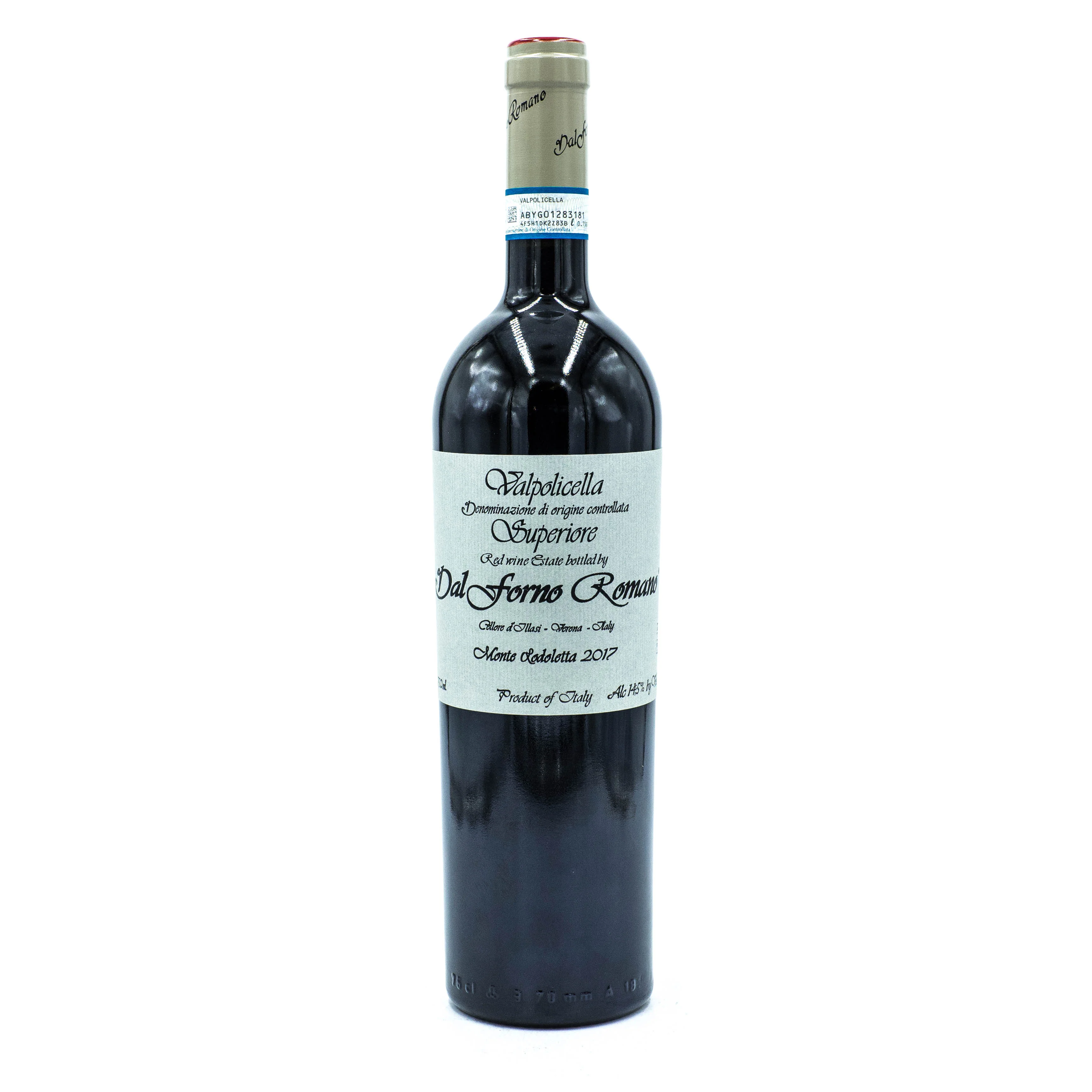
Domaine de la Grange des Pères de l’Hérault Rouge 2021
The Land
Tucked into the scrubby limestone hills near Aniane in the Hérault, Grange des Pères draws from a rugged, high-drainage site carved out of fractured limestone, boulders, and glacial scree. Planted between 80 and 200 meters of elevation with full southern exposure, the vineyards face searing summer heat, offset by cooling winds from the Cévennes. The soils are poor and stony—almost hostile to agriculture—yet ideal for producing low-yielding vines with natural concentration and structure. Though technically within the boundaries of Terrasses du Larzac, the estate continues to bottle under IGP to preserve full autonomy over style and grape selection.
The Wine
The 2021 is a blend of Syrah, Mourvèdre, Cabernet Sauvignon, and a touch of Counoise, vinified with native yeasts and aged for two years in used French oak barrels. Yields are extremely low—20 to 25 hl/ha—and the fruit is hand-harvested from gobelet-trained vines. No fining or filtration. In a cooler, more classical vintage like 2021, the wine leans into elegance over opulence: dark fruit, graphite, wild herbs, and a firm mineral core. Tannins are fine but present, and acidity is sharper than usual, giving this vintage more linear drive and aging potential than recent warmer years. A serious, quietly powerful wine that rewards patience.
The People
Laurent Vaillé founded Grange des Pères in 1989, against the prevailing wisdom of the time. He cleared the land himself—sometimes with dynamite—planting Syrah, Mourvèdre, and Cabernet sourced from the likes of Chave and Trévallon. Early training with Coche-Dury, Gérard Chave, and Eloi Durrbach instilled a commitment to low yields, meticulous farming, and letting terroir lead. His instinct and conviction turned a marginal site into one of France’s cult estates. Following Laurent’s passing in 2021, the domaine remains in family hands, guided by the same principles: minimal intervention, total respect for site, and a refusal to compromise.

Description
The Land
Tucked into the scrubby limestone hills near Aniane in the Hérault, Grange des Pères draws from a rugged, high-drainage site carved out of fractured limestone, boulders, and glacial scree. Planted between 80 and 200 meters of elevation with full southern exposure, the vineyards face searing summer heat, offset by cooling winds from the Cévennes. The soils are poor and stony—almost hostile to agriculture—yet ideal for producing low-yielding vines with natural concentration and structure. Though technically within the boundaries of Terrasses du Larzac, the estate continues to bottle under IGP to preserve full autonomy over style and grape selection.
The Wine
The 2021 is a blend of Syrah, Mourvèdre, Cabernet Sauvignon, and a touch of Counoise, vinified with native yeasts and aged for two years in used French oak barrels. Yields are extremely low—20 to 25 hl/ha—and the fruit is hand-harvested from gobelet-trained vines. No fining or filtration. In a cooler, more classical vintage like 2021, the wine leans into elegance over opulence: dark fruit, graphite, wild herbs, and a firm mineral core. Tannins are fine but present, and acidity is sharper than usual, giving this vintage more linear drive and aging potential than recent warmer years. A serious, quietly powerful wine that rewards patience.
The People
Laurent Vaillé founded Grange des Pères in 1989, against the prevailing wisdom of the time. He cleared the land himself—sometimes with dynamite—planting Syrah, Mourvèdre, and Cabernet sourced from the likes of Chave and Trévallon. Early training with Coche-Dury, Gérard Chave, and Eloi Durrbach instilled a commitment to low yields, meticulous farming, and letting terroir lead. His instinct and conviction turned a marginal site into one of France’s cult estates. Following Laurent’s passing in 2021, the domaine remains in family hands, guided by the same principles: minimal intervention, total respect for site, and a refusal to compromise.